
Guide: welding certifications - which ones to require for the job
Asking for a qualified welder is not enough: every process, material and standard requires a specific certification. This guide explains which certificates exist and how to verify they are real and current.
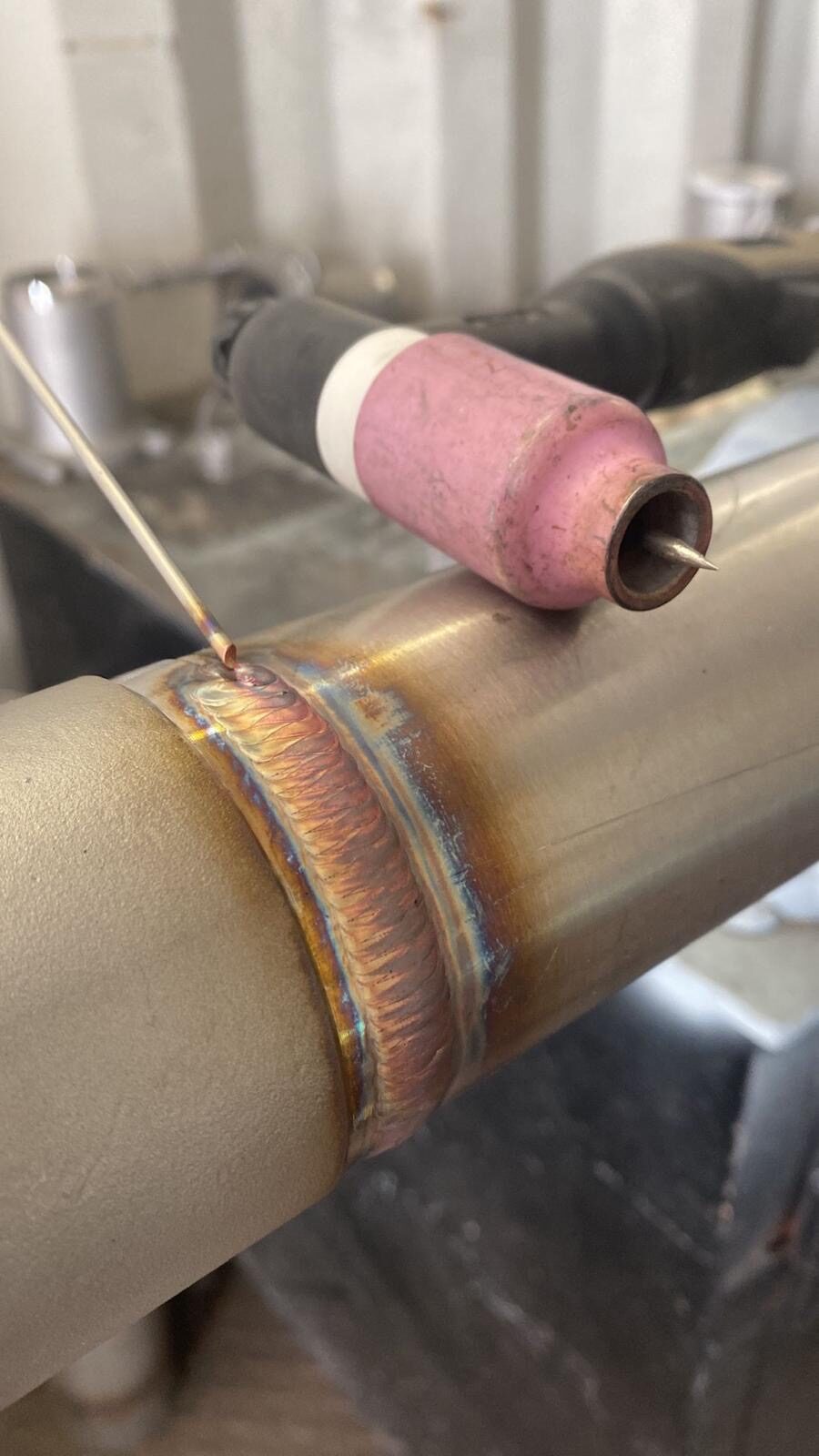
The first concept is the process. TIG welding is a different discipline from MIG/MAG, and both differ from electrode welding: each process has its technique, parameters and certification. An excellent electrode welder may not master TIG. The right first question is not do they hold a welding certificate?, but do they hold a certificate for the process I need? A certificate without a specified process is, in practice, a certificate without content.
The core European reference is EN ISO 9606, which certifies the welder for a specific process, material and positions. Where the work requires it -pressure, critical structures, naval or rail- qualified procedures under standards such as EN ISO 15614 are added. The second certification, separate and mandatory, is PRL training: it does not certify that someone can weld, it certifies they can work in an industrial environment safely. A welding certificate without PRL does not serve for onboarding, just as PRL without a welding certificate does not serve for welding.
Certain environments have additional requirements: petrochemical and chemical sites demand their own access training and demonstrable track records; construction and steel structures require welders qualified under the fabricator's procedures; height work requires a specific authorisation. Each is a documentary layer mapped before day one. And a certificate is verified before the proposal: by viewing it, checking its validity and confirming it covers the process, material and positions of the actual work - never at the workplace, where the discovery comes too late.
It also pays to read what a certificate does not say: it proves the person welded a test piece on a specific date, not years of experience or current validity -certificates expire and are renewed by test or extension under conditions-. That is why serious verification combines the certificate with two questions: how long has this profile worked with this process and on which projects. Three questions evaluate any supplier in five minutes: can I see the certificate before deciding, what happens if the profile does not fit, and who manages renewals. HDM verifies before proposing, with documentation prepared before every onboarding.
- Certification is requested per process: TIG, MIG/MAG and electrode are not interchangeable.
- EN ISO 9606 is the core European reference.
- PRL training is mandatory and separate.
- A real certificate is verified before the proposal.
Recommended articles
- Guide: industrial temp agency vs own crew - when each option makes senseRead more →
- Guide: plant shutdowns - how to plan shutdown staffingRead more →
- General industryRead more →
Can't find the right solution for you?