
Guide: plant shutdowns - how to plan shutdown staffing
A plant shutdown concentrates months of work into days or weeks. Staffing planning is the variable that most determines success. This guide covers the criteria that separate a shutdown that meets its window from one that pays for it twice.
All shutdown staffing planning starts with one question: how many hours does the window have? The shutdown window is the constraint that rules everything: against it you calculate workload per trade, headcount per shift and the intervention sequence. The common mistake is planning backwards -starting from the available crew and fitting the work to it-; correct planning starts from the work: what must be welded, dismantled and assembled, how many trade hours each task takes and in what sequence.
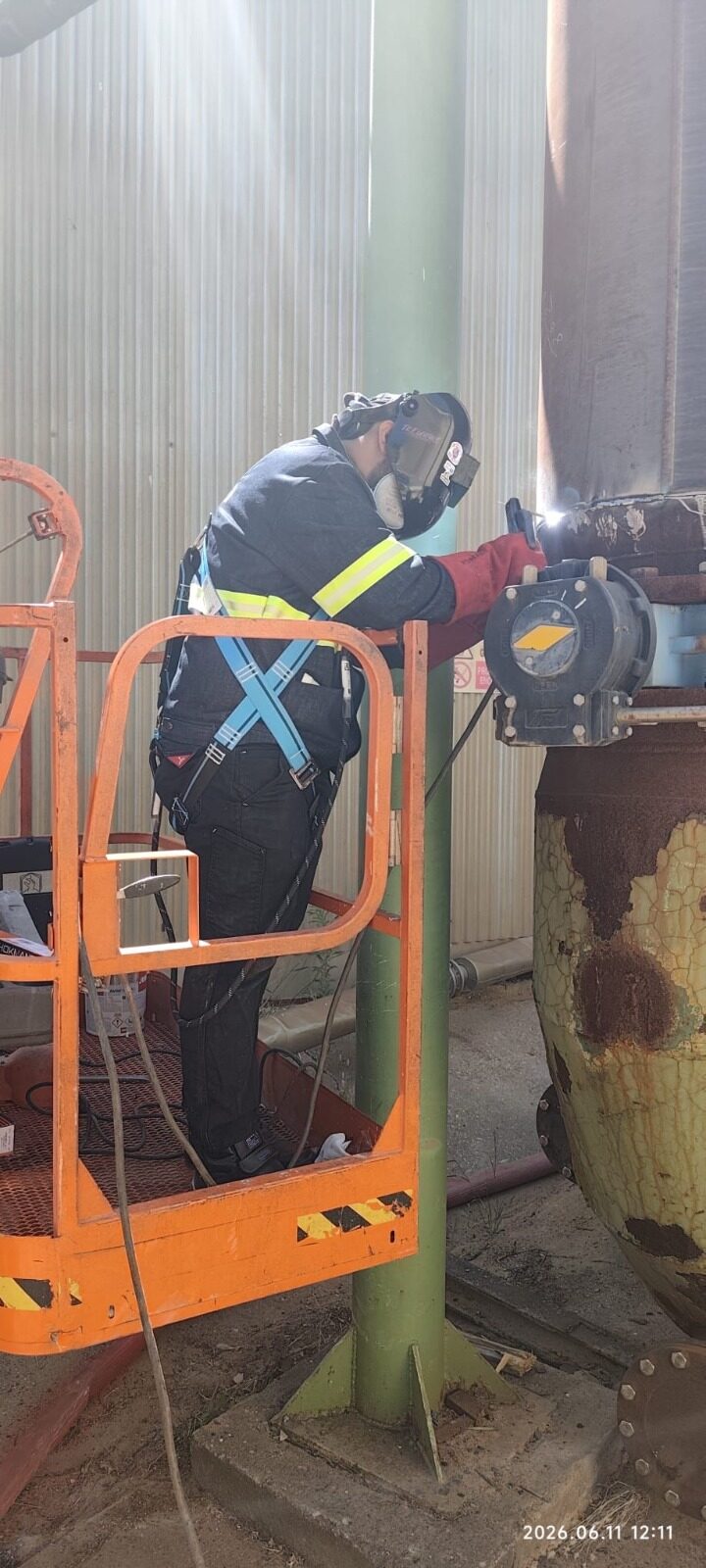
The second criterion is prioritising critical profiles. Welders -especially TIG for process piping- and boilermakers most constrain the schedule because their work usually sits on the critical path: until the piping is welded it cannot be pressurised; until the tank is closed it cannot be filled. These profiles are reserved first, with more lead time and the strictest verification. Support profiles turn over faster and close later, but also with a date.
The third criterion: shifts are defined before the shutdown, not during. How many shifts, how many hours, what overlaps and who covers each are planning decisions; the typical mistake is underestimating the second and third shifts, because the reality of long shutdowns is played out at night. The fourth criterion is daily supervision: a foreman who coordinates crews, controls execution and delivers an end-of-shift report turns supplied personnel into a team; without that layer, deviations are detected late.
Dimension with margin: calculate trade hours divided by window hours minus a realistic contingency margin -twenty percent is an honest reference-, and round up on critical trades. Agree beforehand the reporting channel and frequency, the single point of contact on the supplier side and the deviation protocol. And after the shutdown, close the loop: fifteen minutes of review turns experience into criteria for the next one. HDM supplies multi-profile crews for shutdowns across Spain and Portugal, with availability confirmed before the window and follow-up throughout.
- The shutdown window rules everything.
- Critical profiles are reserved first.
- Shifts are defined before the shutdown.
- Daily supervision catches deviations in time.
Recommended articles
Can't find the right solution for you?